

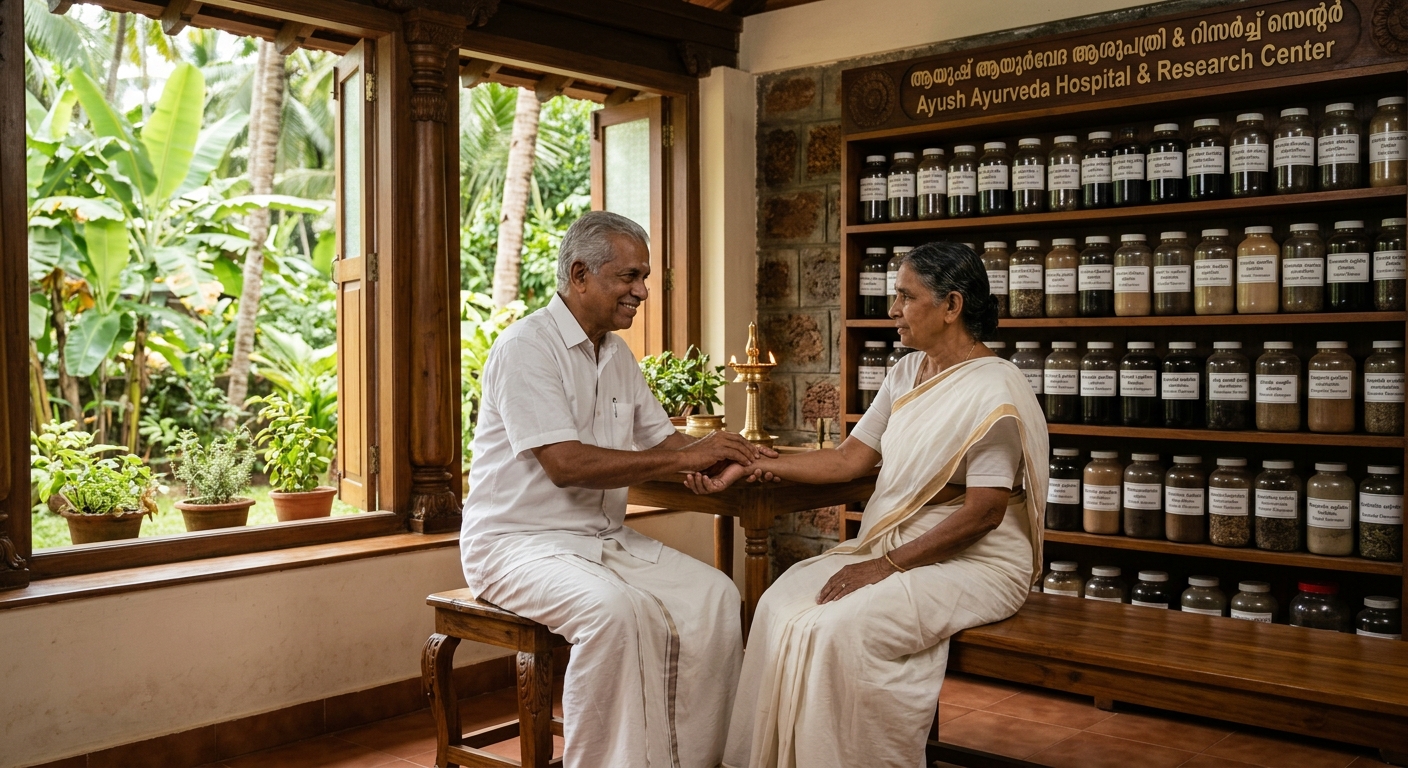
NABH Accredited Ayurvedic Hospital in Kerala: Insurance, CGHS and Cashless Care
What accreditation means for patients, how insurance and CGHS support work and what to ask before you plan treatment
When a family chooses a hospital, trust is the first question. For Ayurvedic treatment, that question can be harder to answer, because standards vary widely across centres. Accreditation offers one way to judge quality, and for many patients, the ability to use insurance makes treatment realistic. A NABH accredited Ayurvedic hospital in Kerala gives both reassurance and practical support.
Sree Subramania Ayurvedic Nursing Home in Calicut states that it is NABH accredited and one of the oldest CGHS-empanelled Ayurvedic hospitals in Kerala. This guide explains what these terms mean, how they help patients and what to check before you book. Coverage depends on individual policies, so always confirm details directly.
What Is NABH Accreditation?
NABH stands for the National Accreditation Board for Hospitals and Healthcare Providers, a body that sets quality standards for hospitals in India. Accreditation is given after an assessment of areas such as patient safety, documentation, infection control, staff qualifications and facilities.
For a patient, it suggests that the hospital follows defined processes. It does not replace your own judgement, but it gives a reference point when comparing options.
Why Accreditation Matters for Ayurveda
Ayurveda is practised in many settings, from clinics to resorts. Accreditation helps separate organised hospital care from informal services. It can also affect insurance, since many insurers recognise treatment only at accredited hospitals. The hospital states that its NABH status supports insurance eligibility.
What Is CGHS Empanelment?
The Central Government Health Scheme provides healthcare for central government employees, pensioners and their families. Hospitals that are empanelled can treat beneficiaries under the scheme, often on a cashless basis, within the scheme’s rules and rates.
Sree Subramania states that it is one of the oldest CGHS-empanelled Ayurvedic hospitals in Kerala. This is relevant for retired central government employees who wish to use Ayurvedic treatment, and the hospital describes cashless treatment for eligible patients. Eligibility, limits and procedures are decided by the scheme, so beneficiaries should check their entitlements in advance.
Insurance and Ayurvedic Treatment
Many health insurance policies now cover Ayurvedic treatment taken in hospital, subject to the policy’s terms. Cover often depends on factors such as accreditation, the need for inpatient admission and the condition treated. The hospital states that cashless or reimbursement options are available for insured patients, and details are on the medical insurance page.
Before you rely on insurance, ask your insurer:
- Does the policy cover Ayurvedic or AYUSH treatment?
- Is inpatient admission required?
- Is this hospital on the cashless network?
- What documents are needed for a claim?
- Are there limits on room rent or the number of days?
Questions to Ask the Hospital
When you contact the hospital, consider asking:
- Which conditions are covered under my insurance or scheme?
- What paperwork is required at admission?
- How is the estimate prepared?
- Can I get pre-authorisation in advance?
- What costs, if any, are not covered?
Clear answers help you avoid surprises at discharge.
Beyond Accreditation: What Else to Check
Accreditation is helpful, but it is not the whole picture. Look also at the doctors, the pharmacy and the facilities. At Sree Subramania, the Chief Medical Officer holds an M.D. in Rasashastra, doctors conduct rounds twice a day and a doctor is on call round the clock. The hospital states that about 80 per cent of its medicines are made in-house, and a herbal garden is on site. See the facilities page for details.
Conditions Where Insurance Often Matters
Long-term conditions such as arthritis, spine problems and skin disorders may need extended treatment, so cost becomes a significant concern. The conditions page lists the main areas the hospital treats. Discuss with the team whether your diagnosis and planned admission fit the insurance rules.
Charity Treatment
The hospital’s about section also refers to charity treatment. If cost is a barrier, ask the team what support may be available. You can read more about the hospital’s work on the about us page.
How to Book and Prepare
Online reservation and doctor appointment options are available through the hospital’s website, and you can also call the team. When you book, mention that you plan to use insurance or CGHS. Ask for a list of documents, which may include identity proof, policy details, referral letters and previous medical reports. Having these ready speeds up admission.
Understanding Pre-Authorisation
For cashless treatment, insurers often require pre-authorisation, which means approval before admission. The hospital team can usually explain the process, but approval is decided by the insurer. Submit requests early, and keep copies of all forms. If approval is delayed, ask the team and the insurer for updates, and plan accordingly.
Reimbursement Claims
If cashless treatment is not available under your policy, you may pay first and claim later. Keep all bills, receipts, prescriptions and discharge documents, and submit them within the insurer’s deadlines. Ask the hospital for the documents your insurer needs, such as an itemised bill and a treatment summary. Careful records make claims smoother.
Choosing With Confidence
Accreditation, insurance support and clear communication together make a strong base. Ask for written estimates, understand what your policy covers and keep copies of everything. Speak to the team if you are unsure. A hospital that explains costs and procedures openly is more likely to treat you well throughout your stay.
What Patients Often Overlook
Patients sometimes overlook limits on room rent, exclusions for certain conditions and waiting periods in new policies. Others forget that some treatments, such as purely relaxation-focused therapies, may not qualify for cover. Read the policy wording, and ask the insurer to confirm in writing where possible.
Finally, remember that cost is only one part of the decision. The quality of doctors, medicines and day-to-day care matters just as much. Use accreditation and insurance support as helpful tools, but also visit, ask questions and speak with the team, so that you feel comfortable with your choice before treatment begins.
Documents to Keep Ready
Gather identity proof, insurance card or policy number, CGHS card if applicable, referral letters and earlier medical reports. Photocopies help. Keep emergency contact numbers and the details of a family member who can assist with paperwork. Being prepared reduces stress at admission and lets you focus on treatment.
Accreditation and Insurance FAQs
Is all Ayurvedic treatment covered by insurance? No. Coverage depends on your policy, the condition and admission rules.
Can retired central government employees use CGHS here? The hospital states it is CGHS-empanelled. Confirm eligibility with the hospital and the scheme.
Does accreditation guarantee results? No. It indicates processes and standards, but outcomes vary.
Ask About a NABH Accredited Ayurvedic Hospital in Kerala
If you want to know whether your insurance or scheme can be used, Sree Subramania Ayurvedic Nursing Home is ready to help. Call +91-7594003003 or write to enquiry@ssanh.com, or visit the contact page.
