
Varicose Veins Ayurvedic Treatment: A Traditional Approach from Kerala
How Ayurveda understands varicose veins, how leech therapy and herbal care are used and what patients should know before starting
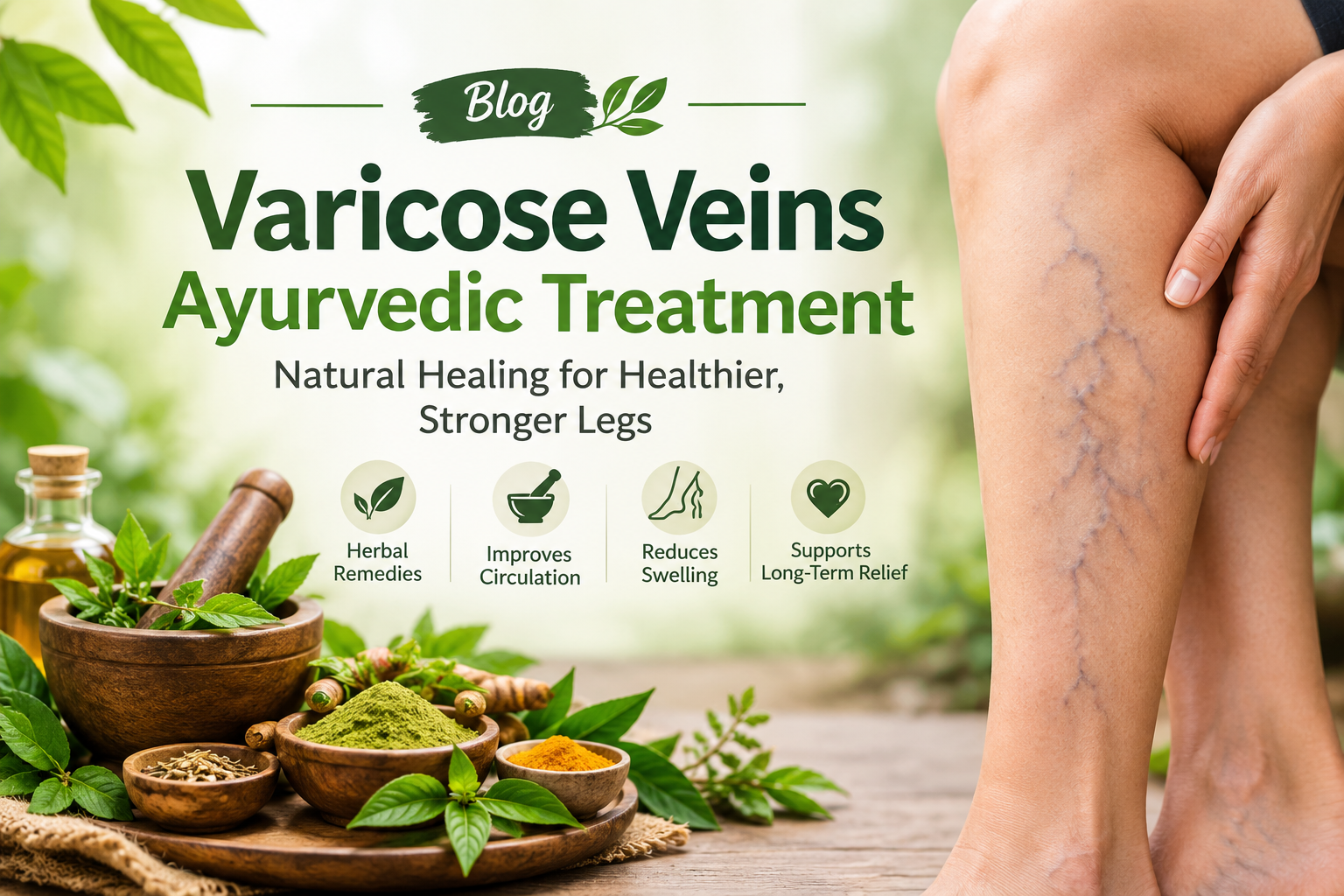
Varicose veins are swollen, twisted veins, most often seen in the legs. They can cause aching, heaviness, swelling, itching and visible discolouration. In some people, they lead to skin changes or non-healing ulcers. Many patients look for varicose veins Ayurvedic treatment because they want a non-surgical option or have found that other approaches gave only limited relief.
Sree Subramania Ayurvedic Nursing Home in Calicut, Kerala, belongs to a family of physicians that has long been associated with treating varicose veins. This guide explains how Ayurveda views the condition, which therapies are used and how to prepare. It is general information, and results vary. Any new swelling, pain or skin ulcer should be checked by a doctor.
What Causes Varicose Veins?
Veins carry blood back to the heart, and small valves inside them stop it flowing backward. When these valves weaken, blood collects in the vein, which stretches and twists. Common risk factors include long periods of standing, family history, obesity, pregnancy and age.
Symptoms can include aching legs, visible bulging veins, swelling around the ankles, skin darkening and itching. Some people develop painful ulcers near the ankle. These need medical attention.
An Ayurvedic View
In Ayurveda, varicose veins are linked to imbalances in vata and rakta, the blood tissue, sometimes with other doshas involved. Poor circulation and impure blood are thought to contribute to the swelling and skin changes. The treatment focuses on improving circulation, purifying the blood and supporting healing of the skin.
The hospital’s lineage is relevant here. Thekkayil Vaidyasala, from which Sree Subramania grew, was known in earlier generations for treating varicose veins, venom problems and skin disorders. This tradition continues in the hospital’s care today.
Leech Therapy
Leech therapy, called jalaukavacharana, is a classical Ayurvedic procedure. Medicinal leeches are applied to selected areas, where they draw out a small amount of blood. This is traditionally used for varicose veins, non-healing ulcers and some skin conditions.
It is carried out by trained practitioners under hygienic conditions, and each leech is used for one patient only. It is not appropriate for everyone, and the doctor will decide whether it suits you. You can read more on the leech therapy page.
Other Treatments Used
Along with leech therapy, a treatment plan may include:
- Herbal medicines taken internally to support circulation and blood quality.
- Medicated oils and herbal pastes applied externally.
- Gentle therapies such as Lepanam, in which herbal paste is applied to the affected area.
- Diet advice that avoids heavy, oily or very spicy food.
- Guidance on posture, leg elevation and gentle movement.
Skin involvement may need extra attention. The skin care section describes related therapies.
Dealing with Complications
Long-standing varicose veins can lead to complications, including skin ulcers and, in some people, blood clots. Deep vein thrombosis (DVT) is a more serious condition, in which a clot forms in a deep vein. It can cause sudden swelling, pain and warmth in one leg. This needs urgent medical care and should not be treated at home.
The hospital’s case studies include examples of DVT and related conditions. See the case studies page for more information.
What to Expect from Treatment
After your first consultation, the doctor will suggest a plan, which may be delivered as a hospital stay or as visits. Results depend on the severity of the problem, how long it has been present and how closely lifestyle advice is followed. Some patients notice improvement in symptoms such as heaviness and swelling, while others need longer care. The doctor will explain what is realistic.
Everyday Habits That Help
Alongside treatment, simple habits can reduce strain on the veins:
- Avoid standing or sitting for long periods without moving.
- Raise your legs when resting.
- Walk regularly, as your doctor allows.
- Maintain a healthy weight.
- Wear comfortable footwear and avoid tight clothing around the legs.
Why Early Care Matters
Varicose veins tend to worsen slowly. Early symptoms such as heaviness at the end of the day may seem minor, but without attention, swelling, skin changes and ulcers can develop. Seeking advice when symptoms begin gives more options and often better results. If you already have skin darkening, eczema around the ankle or a wound that does not heal, see a doctor promptly.
Hospital Care Versus Occasional Treatment
Leech therapy and other procedures need hygiene, supervision and follow-up. A hospital provides trained staff, clean facilities and a doctor on call. Doctors also conduct rounds, so any reaction can be monitored. Patients with ulcers need wound care and regular review, which is easier during a stay.
Questions to Ask Your Doctor
Before treatment, consider asking:
- Is leech therapy suitable for my condition?
- How many sessions might I need?
- What improvements are realistic?
- What should I do at home between sessions?
- When should I see a vascular surgeon?
Good doctors welcome these questions and answer honestly. If a vascular opinion is needed, you should be told.
Skin Care and Ulcer Care
Varicose veins can lead to dry, itchy or darkened skin around the ankles. Keep the skin clean, moisturised with products your doctor approves, and protect it from scratching. If an ulcer appears, do not ignore it. Wound care needs proper dressing, rest and sometimes antibiotics, so seek medical advice at once. Ayurvedic therapies may support healing, but they should be coordinated with medical care.
Compression, Exercise and Daily Life
Doctors often advise compression stockings for varicose veins, along with calf exercises and leg elevation. Ask your Ayurvedic doctor whether these suit you, as they may be used alongside other treatment. Walking is especially helpful because calf muscles help push blood back toward the heart. Avoid crossing your legs for long periods, and change position regularly during the day.
Finally, do not delay seeking help. If you notice sudden swelling in one leg, severe pain, redness or breathlessness, seek emergency care at once, since these can signal a clot. For ongoing symptoms, a planned consultation allows the doctor to examine your legs and suggest the right combination of care.
Choosing a Doctor You Trust
A condition that lasts for years deserves a doctor you can talk to. Look for clear explanations, honest advice on what Ayurveda can and cannot do and willingness to coordinate with other specialists. The Thekkayil family tradition at Sree Subramania includes generations of experience in vein and skin disorders, and the current Chief Medical Officer, Dr. Sanand Ratnam Thekkayil, holds an M.D. in Rasashastra. A consultation will help you judge whether the approach suits you.
Varicose Veins FAQs
Is varicose veins Ayurvedic treatment painful? Most therapies are gentle. Leech therapy may cause mild sensation, and the team will guide you.
Can Ayurveda avoid surgery? Some patients find symptom relief, but suitability varies. Your doctor will advise.
Is leech therapy safe? When done by trained practitioners with proper hygiene, it is considered safe, but it is not suitable for everyone.
Consult a Family of Physicians for Varicose Veins
If you are considering varicose veins Ayurvedic treatment, Sree Subramania Ayurvedic Nursing Home is ready to help. Call +91-7594003003 to book a consultation, or learn more about us and the hospital’s history.
