

Panchakarma Treatment in Kerala: A Guide to Ayurveda’s Cleansing Programme
What Panchakarma involves, how it is prepared and supervised, and what patients should know before they begin
Panchakarma is among the best-known treatments in Ayurveda. The word means five actions, and it refers to a group of cleansing procedures designed to remove accumulated imbalances from the body. Kerala is a popular destination for Panchakarma, but the programme is not a simple spa package. It is a medical treatment that needs careful planning and supervision.
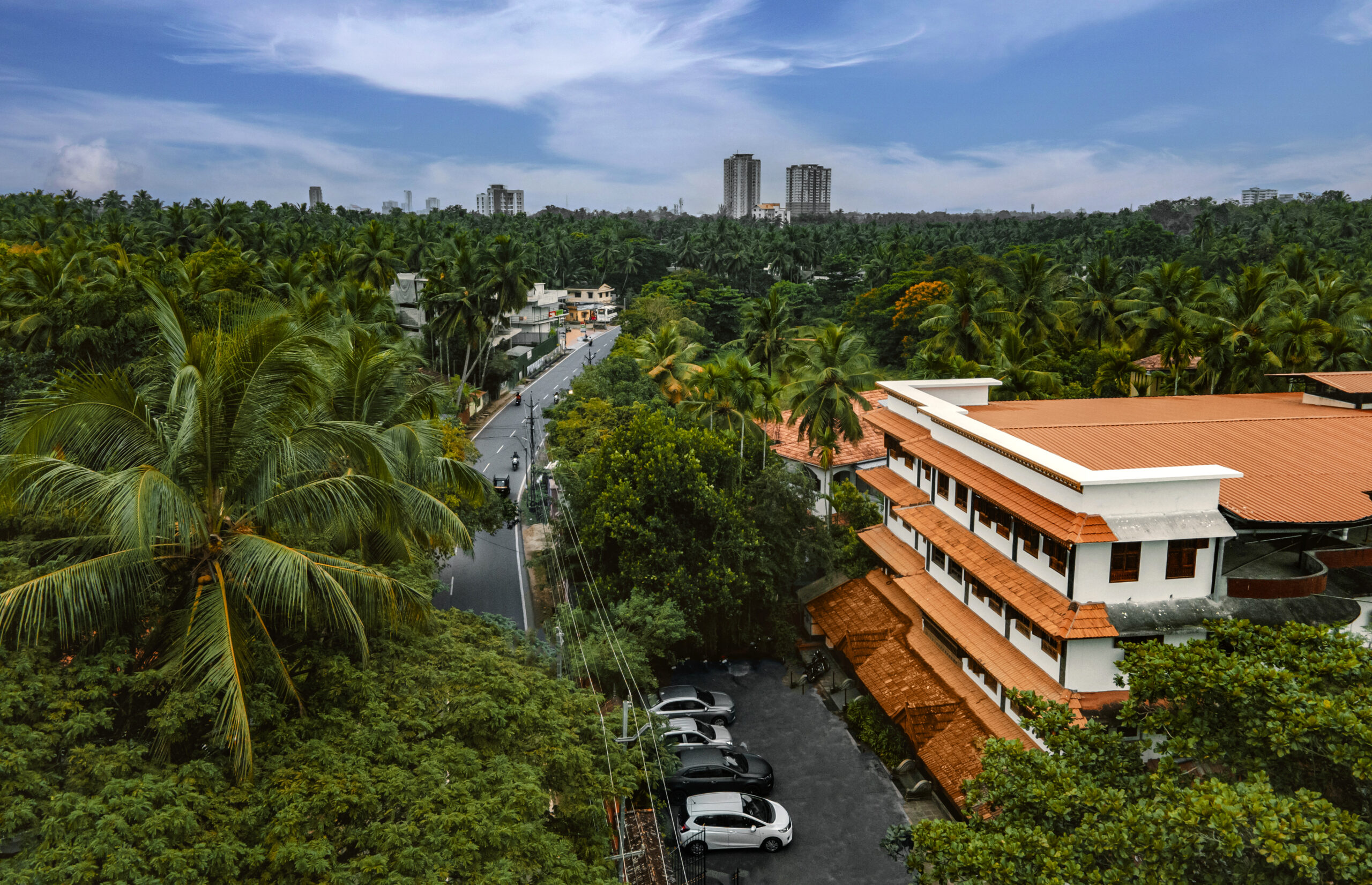
Sree Subramania Ayurvedic Nursing Home in Calicut, Kerala, offers Panchakarma as part of its range of Ayurvedic therapies. This guide explains what Panchakarma involves, who it may suit and how to approach it. It is general information, and anyone considering it should consult a qualified doctor first.
What Is Panchakarma?
Panchakarma is a programme of purification. In classical Ayurveda, the five main procedures are vamana (therapeutic emesis), virechana (purgation), vasti (medicated enema), nasya (nasal administration of medicated oils) and raktamokshana (bloodletting, often using leeches in modern practice). Not every patient needs all five, and the doctor chooses what is appropriate.
The aim is to bring the body toward balance by removing what Ayurveda calls doshas that have built up. Panchakarma is usually followed by a period of rebuilding, with attention to diet, rest and gentle routines.
The Three Stages of Panchakarma
A complete programme follows a clear sequence:
- Purvakarma (preparation): oil therapies and gentle sweating prepare the body. Snehapanam, in which medicated ghee is taken internally, is one example.
- Pradhanakarma (main procedures): the chosen cleansing treatments are carried out under medical supervision.
- Paschatkarma (aftercare): diet, rest and medicines help the body recover and regain strength.
Skipping preparation or aftercare reduces the value of the treatment, which is why supervised hospital settings are preferred.
Who May Benefit?
Panchakarma is used in a range of long-term and lifestyle-related conditions. Doctors may recommend it for joint and rheumatic problems, skin disorders, digestive complaints, stress-related conditions and as part of seasonal or preventive care. At Sree Subramania, treatment programmes are listed under cleansing and rejuvenation therapy.
It is not suitable for everyone. People who are very weak, pregnant, very young or elderly, or who have certain serious illnesses may need a modified plan or a different approach. This is why an examination before treatment is essential.
Preparation Before You Arrive
A little planning helps your programme go smoothly:
- Share your full medical history and current medicines with your doctor.
- Bring recent reports and test results.
- Arrange time away from work and heavy responsibilities.
- Be ready to follow the diet and routine advised.
- Ask about the expected duration and cost.
What Happens During Treatment
Each day usually includes oil massage, sweating therapy, medicines and rest. The therapists work in separate male and female teams, and the doctor reviews you regularly. Meals are simple and suited to the stage of treatment. The hospital’s canteen serves local Kerala and Tamil Nadu food, and the doctor will advise what to eat.
You may feel tired, light or emotional at different points. This is common, and you should always report anything unusual to the doctor.
Supervision Matters
Panchakarma procedures such as emesis and purgation affect the body strongly. They must never be attempted without medical guidance. A hospital provides doctor rounds, a 24-hour doctor on call and the ability to manage unexpected reactions. This is a major reason to choose a proper Ayurvedic hospital rather than a casual wellness centre.
Aftercare and Lifestyle
The days after Panchakarma are just as important as the treatment itself. Your doctor may recommend:
- Light, warm and easily digested meals.
- Avoiding cold drinks, heavy foods and late nights.
- Gentle exercise or yoga when advised.
- Continuing prescribed medicines.
- A follow-up review.
Following these steps helps the body keep the benefits of treatment.
Seasonal and Preventive Panchakarma
In traditional practice, Panchakarma is also used for seasonal cleansing and prevention. Ayurveda recognises that the body changes with the seasons, and some physicians suggest cleansing at transitions such as the start of the monsoon. Preventive programmes are usually gentler than those for illness, and they still need a doctor’s guidance. They are not substitutes for regular healthcare.
Panchakarma Versus Relaxation Packages
Many resorts advertise Panchakarma packages that last only a few days and focus on massage. Genuine Panchakarma is a medical treatment with preparation, specific procedures and aftercare. Ask who plans the programme, which procedures will be used and how you will be monitored. A hospital that can explain these clearly is more likely to provide proper care.
Rejuvenation and Rasayana
After cleansing, Ayurveda often uses rejuvenation therapy, known as Rasayana. This involves medicines, diet and routines designed to rebuild strength and vitality. Hospitals may offer it as a separate programme for people who feel run down, are recovering from illness or want to support healthy ageing. See the hospital’s rejuvenation page for more information.
Cost and Time Planning
Panchakarma programmes take time, so plan your stay and finances in advance. Ask the hospital for an estimate that covers consultation, therapies, medicines, accommodation and meals. If you plan to use insurance, ask early whether it applies. Planning avoids rushing the programme, which can reduce its value.
Who Should Avoid or Delay Panchakarma
Certain situations call for caution. Pregnancy, severe weakness, fever, acute infection, serious heart disease and some digestive illnesses may make Panchakarma unsuitable at that time. Children and the very elderly need modified plans. Always disclose your full history, including surgeries and long-term medicines, so the doctor can decide safely.
Mind and Rest During the Programme
Panchakarma is as much about rest as about procedures. Patients are encouraged to sleep early, avoid heavy mental work and limit screen use. A quiet environment helps, and many patients find the rhythm of daily therapies calming. Giving yourself permission to slow down is part of the treatment.
Choosing a Hospital for Panchakarma
Look for qualified doctors, an in-house pharmacy, trained therapists and clear explanations. At Sree Subramania, the Chief Medical Officer holds an M.D. in Rasashastra, and a doctor is on call 24 hours a day. Therapy rooms are staffed by separate male and female teams, which many patients find more comfortable.
Finally, be honest with your doctor about how you feel during and after treatment. Fatigue, appetite changes and mood shifts are common, and reporting them early lets the team adjust the plan so the programme stays safe and comfortable.
Many patients also find that the programme changes how they think about food, sleep and routine. Those lessons, carried home, are often as valuable as the procedures themselves.
Panchakarma FAQs
How long does Panchakarma take? The duration depends on your condition and the procedures chosen. Your doctor will explain after examination.
Is Panchakarma painful? Most treatments are gentle, though some procedures can feel tiring. The team will guide you through each step.
Can I do Panchakarma at home? It should not be attempted without medical supervision.
Begin Panchakarma Treatment in Kerala
If you are considering Panchakarma treatment in Kerala, Sree Subramania Ayurvedic Nursing Home is ready to help. Call +91-7594003003 to book a consultation, or visit the contact page.
