

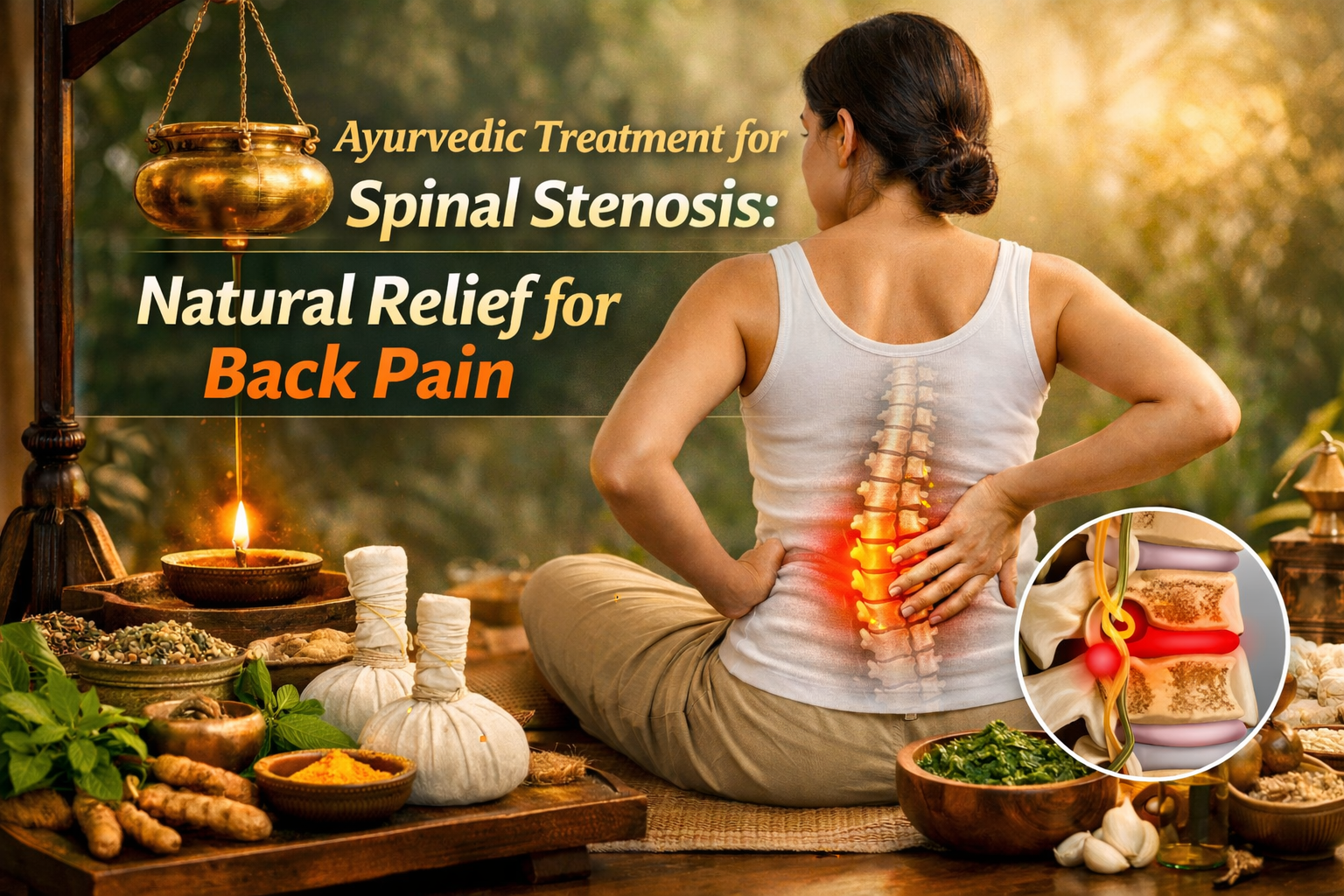
Spinal stenosis is a painful and often debilitating condition that affects millions of people worldwide. Characterized by narrowing of the spinal canal, it puts pressure on the spinal cord and nerves, leading to symptoms such as back pain, numbness, tingling, and reduced mobility. While conventional treatments often include medications, physiotherapy, or surgery, many individuals are now turning to Ayurveda for a safer, natural, and holistic approach to healing.
Ayurveda, the ancient system of medicine from India, focuses on treating the root cause of disease rather than just managing symptoms. Through herbal remedies, detox therapies, lifestyle changes, and yoga, Ayurvedic treatment for spinal stenosis aims to restore balance in the body and provide long-lasting relief.
Understanding Spinal Stenosis
Spinal stenosis occurs when the spinal canal narrows, compressing the nerves that pass through it. This condition commonly affects the lower back (lumbar spine) and neck (cervical spine). The most frequent causes include aging, arthritis, herniated discs, and bone overgrowth.
Common Symptoms
- Chronic lower back pain
- Pain radiating to the legs or arms
- Numbness or tingling sensation
- Weakness in limbs
- Difficulty walking or standing for long periods
Symptoms often improve when sitting or bending forward, as this temporarily reduces nerve pressure.
Ayurvedic Perspective on Spinal Stenosis
In Ayurveda, spinal stenosis is primarily associated with an imbalance of the Vata dosha, which governs movement, nerve impulses, and circulation. When Vata becomes aggravated by aging, poor diet, stress, or lifestyle habits, it leads to dryness, degeneration, and joint and spinal pain.
This condition is categorized under “Vatavyadhi” (neurological and musculoskeletal disorders). Ayurvedic treatment focuses on:
- Balancing Vata dosha
- Nourishing tissues (Dhatus)
- Improving circulation
- Reducing inflammation and stiffness
Key Principles of Ayurvedic Treatment
Ayurvedic management of spinal stenosis follows a holistic, multi-step approach:
- Detoxification (Ama Removal)
Before starting treatment, toxins (Ama) are eliminated from the body. This step improves digestion and enhances the effectiveness of therapies.
- Pacifying Vata Dosha
Therapies and herbal medicines are used to calm aggravated Vata, which is the root cause of pain and degeneration.
- Rejuvenation (Rasayana)
After detoxification, rejuvenating treatments strengthen the spine, nerves, and muscles.
Effective Ayurvedic Therapies for Spinal Stenosis
- Panchakarma Therapy
Panchakarma is a cornerstone of Ayurvedic treatment and includes five detoxification procedures. For spinal stenosis, the following therapies are especially beneficial:
- Abhyanga (Oil Massage): Warm herbal oils are massaged into the body to reduce stiffness and improve circulation.
- Swedana (Steam Therapy): Herbal steam helps relax muscles and relieve pain.
- Basti (Medicated Enema): One of the most effective treatments for Vata disorders, it nourishes the nerves and spine.
- Nasya (Nasal Therapy): Helps relieve symptoms in cervical stenosis.
- Virechana (Purgation): Removes toxins and balances doshas.
These therapies are often combined for better results and improved mobility.
- Kati Basti (Lower Back Oil Therapy)
Kati Basti is a specialized Ayurvedic therapy in which warm, medicated oil is retained over the lower back using a dough ring. This deeply nourishes spinal tissues, reduces inflammation, and alleviates pain.
A case study reported that therapies like Kati Basti, combined with herbal oils and massage, significantly reduced chronic lower back pain and improved mobility.
- Herbal Medicines
Ayurvedic herbs play a crucial role in managing spinal stenosis by reducing inflammation and strengthening tissues.
Commonly Used Herbs:
- Ashwagandha: Strengthens muscles and nerves
- Guggulu: Reduces inflammation and supports joint health.
- Shallaki (Boswellia): Natural anti-inflammatory
- Rasna: Relieves joint pain
- Turmeric: Known for its powerful healing properties
These herbs are often prescribed in formulations tailored to the individual’s body constitution.
- External Therapies
- Pizhichil (Oil Bath Therapy): Continuous pouring of warm oil over the body
- Podikizhi (Herbal Poultice): Reduces swelling and stiffness
- Dhanyamla Dhara: Improves circulation and relieves pain
Such therapies help relax muscles and enhance spinal flexibility.
Role of Yoga and Exercise
Yoga is an integral part of Ayurvedic treatment for spinal stenosis. It improves flexibility, strengthens muscles, and reduces nerve compression.
Recommended Yoga Poses:
- Bhujangasana (Cobra Pose)
- Shalabhasana (Locust Pose)
- Makarasana (Crocodile Pose)
- Setu Bandhasana (Bridge Pose)
Studies suggest that integrating Ayurveda with yoga can significantly improve mobility, reduce pain, and enhance quality of life in spinal conditions.
Diet and Lifestyle Recommendations
Diet plays a vital role in balancing Vata and supporting healing.
Recommended Foods:
- Warm, cooked meals
- Whole grains and green vegetables
- Milk and healthy fats
- Sweet fruits
Foods to Avoid:
- Cold and dry foods
- Excessively spicy items
- Processed foods
- Red meat and heavy foods
Maintaining a regular routine, proper posture, and stress management is equally important for recovery.
Benefits of Ayurvedic Treatment
Ayurvedic treatment offers several advantages for spinal stenosis patients:
- Natural and non-invasive approach
- Focus on the root cause rather than the symptoms.
- Minimal side effects
- Improved flexibility and mobility
- Long-term pain relief
- Enhanced overall well-being
Case studies indicate that Ayurvedic interventions can significantly improve symptoms like pain, weakness, and mobility in spinal conditions.
Limitations and Considerations
While Ayurveda offers effective relief, it is important to understand its scope:
- Results may take time and require consistency.
- Severe cases with neurological deficits may need surgical intervention.
- Treatment should always be guided by a qualified Ayurvedic practitioner.
Integrating Ayurveda with modern medical care often provides the best outcomes.
Spinal stenosis can greatly impact quality of life, but it doesn’t always require invasive treatments. Ayurveda provides a natural and holistic pathway to relief by addressing the root causes of pain and imbalance. Through therapies like Panchakarma, herbal remedies, yoga, and dietary changes, patients can experience improved mobility, reduced pain, and enhanced overall health.
If you are seeking a safe and long-term solution for spinal stenosis, Ayurvedic treatment offers a time-tested and effective alternative. With proper guidance and a personalized approach, it can help you regain comfort, strength, and a better quality of life—naturally.
