

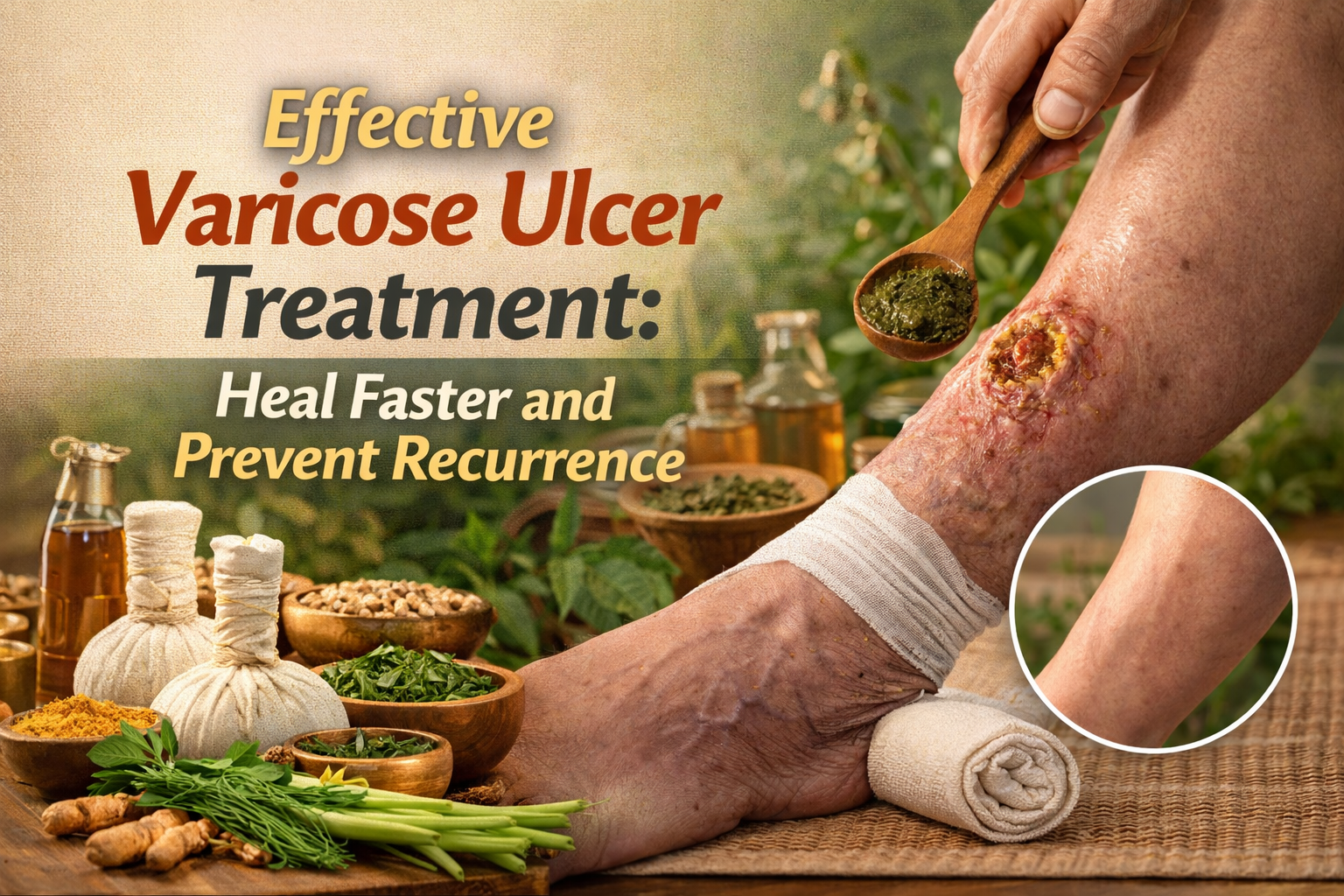
Varicose ulcers, also known as venous ulcers, are a challenging condition that affects millions of people worldwide. These open wounds often occur on the lower legs and ankles due to chronic venous insufficiency or weakened vein valves. They are painful, slow to heal, and if untreated, can lead to severe complications or recurring wounds.
While modern medicine provides effective treatments, a combination of medical intervention, home care, and preventive strategies is crucial for long-term success. In this comprehensive guide, we’ll explore the causes, treatments, and preventive measures for varicose ulcers, along with practical tips to heal faster and reduce recurrence.
Understanding Varicose Ulcers
Varicose ulcers develop when blood pools in the veins of the legs, increasing pressure and damaging the skin. Over time, the skin breaks down, forming an ulcer.
Causes of Varicose Ulcers:
- Chronic venous insufficiency – damaged valves in leg veins
- Varicose veins – enlarged, twisted veins
- Blood clots (deep vein thrombosis)
- Obesity – excess pressure on leg veins
- Prolonged standing or sitting
- Trauma or injury to the lower leg
Symptoms:
- Open sores, usually near the inner ankle
- Swelling, redness, or itching around the ulcer
- Pain or tenderness
- Thickened or darkened surrounding skin
- Slow healing or recurring wounds
Varicose ulcers can significantly affect mobility, daily activities, and mental health. Therefore, timely treatment is essential.
The Importance of Early Intervention
Varicose ulcers rarely heal on their own. Without proper treatment:
- Infection risk increases
- Healing time extends
- Ulcers may worsen or recur.
- Chronic pain and swelling may develop.
Early intervention can reduce healing time, prevent complications, and improve quality of life.
Medical Treatments for Varicose Ulcers
Medical treatment is the cornerstone of managing varicose ulcers. Several approaches are commonly used:
- Compression Therapy
Compression therapy is considered the gold standard for the management of varicose ulcers. It works by improving blood flow in the veins and reducing swelling.
Methods:
- Elastic compression bandages – applied in layers to support veins
- Compression stockings – available in different strengths
- Intermittent pneumatic compression devices – used in clinical settings
Benefits:
- Enhances circulation
- Reduces edema (swelling)
- Supports tissue healing
- Prevents ulcer recurrence
- Wound Care and Dressing
Proper wound care prevents infection and promotes faster healing.
Steps for Effective Wound Care:
- Clean the ulcer regularly with saline or mild antiseptic solution.
- Apply modern wound dressings (hydrocolloid, foam, alginate)
- Maintain a moist healing environment without over-soaking
- Monitor for signs of infection.
- Medications
Depending on the ulcer’s condition, doctors may prescribe:
- Topical antibiotics for infection
- Pain relievers to manage discomfort
- Circulatory medications like pentoxifylline to improve blood flow
- Anti-inflammatory drugs, if inflammation is severe
- Surgical and Minimally Invasive Procedures
For chronic, non-healing, or large varicose ulcers, surgical intervention may be necessary:
- Vein stripping or ligation – removal of damaged veins
- Endovenous laser therapy (EVLT) – uses laser energy to close faulty veins.
- Radiofrequency ablation – minimally invasive closure of varicose veins
- Skin grafts – for extensive ulcers that do not heal naturally
Surgery is usually combined with compression therapy and lifestyle changes to prevent recurrence.
Home Care Strategies to Support Healing
Along with medical treatment, home care can accelerate healing and reduce the risk of recurrence.
- Elevation of Legs
Raising your legs above heart level for 20–30 minutes several times a day:
- Reduces swelling
- Improves venous return
- Relieves pain and heaviness
- Regular Exercise
Gentle exercises like walking, ankle flexes, or calf raises:
- Stimulate blood circulation
- Strengthen calf muscles, which act as natural pumps.
- Improve overall mobility
- Balanced Diet
Proper nutrition plays a critical role in wound healing:
- Protein-rich foods: eggs, fish, lean meat, legumes
- Vitamin C: citrus fruits, bell peppers
- Zinc: nuts, seeds, whole grains
- Antioxidants: berries, green leafy vegetables
- Adequate hydration
A nutritious diet strengthens immunity and promotes tissue repair.
- Skin Care
- Keep the surrounding skin clean and moisturized.
- Avoid trauma or friction near the ulcer.
- Use gentle soaps and avoid harsh chemicals.
- Alternative Therapies
Some studies suggest that herbs like turmeric, aloe vera, and centella asiatica may support healing by reducing inflammation and promoting tissue regeneration. Always consult a doctor before using herbal remedies.
Preventing Recurrence
Even after the ulcer heals, the underlying vein problem may remain. Preventive measures are crucial to avoid recurrence:
- Continued Use of Compression
- Wear compression stockings daily as advised.
- Replace worn-out stockings regularly.
- Maintain a Healthy Weight
- Excess weight increases pressure on leg veins.
- Weight management reduces the risk of new ulcers.
- Active Lifestyle
- Avoid prolonged sitting or standing.
- Take breaks to walk and stretch legs.
- Engage in low-impact activities like swimming or cycling.
- Regular Monitoring
- Check legs for early signs of varicose veins.
- Seek medical advice promptly if swelling or skin changes occur.
- Proper Footwear
- Avoid tight shoes or high heels that restrict circulation.
- Wear supportive footwear to reduce pressure on veins.
Advanced Therapies and Innovations
Recent advancements have improved varicose ulcer treatment:
- Negative Pressure Wound Therapy (NPWT)
- Uses controlled suction to remove fluid and improve healing
- Reduces infection risk and accelerates tissue regeneration
- Biologic Dressings
- Made from collagen or amniotic membrane
- Support tissue growth in chronic, non-healing ulcers.
- Stem Cell Therapy
- Investigational therapy for severe cases
- Uses stem cells to promote the regeneration of damaged tissue
These therapies are typically reserved for complex or refractory ulcers.
Signs You Should Seek Immediate Medical Help
Seek urgent medical attention if you notice:
- Rapidly increasing redness, swelling, or pain.
- Pus, foul odor, or signs of infection
- Fever or systemic symptoms
- Ulcer not healing despite treatment.
Prompt care prevents serious complications like cellulitis, deep vein thrombosis, or chronic wounds.
Psychological and Emotional Support
Living with varicose ulcers can affect mental health. Pain, mobility limitations, and recurrence anxiety may lead to stress or depression. Supportive measures include:
- Counseling or therapy
- Support groups for people with chronic wounds
- Engaging in gentle physical activity and hobbies
- Family involvement and encouragement
Emotional well-being is an important part of the healing process.
Key Takeaways
- Early intervention ensures faster healing and reduces complications.
- Compression therapy and proper wound care are essential for effective treatment.
- Surgical or minimally invasive procedures may be needed for chronic ulcers.
- Lifestyle changes, diet, and home care support faster recovery.
- Preventive measures, such as regular monitoring and compression, reduce recurrence.
With a comprehensive treatment plan, varicose ulcers can heal faster, pain can be managed effectively, and long-term recurrence can be prevented.
