

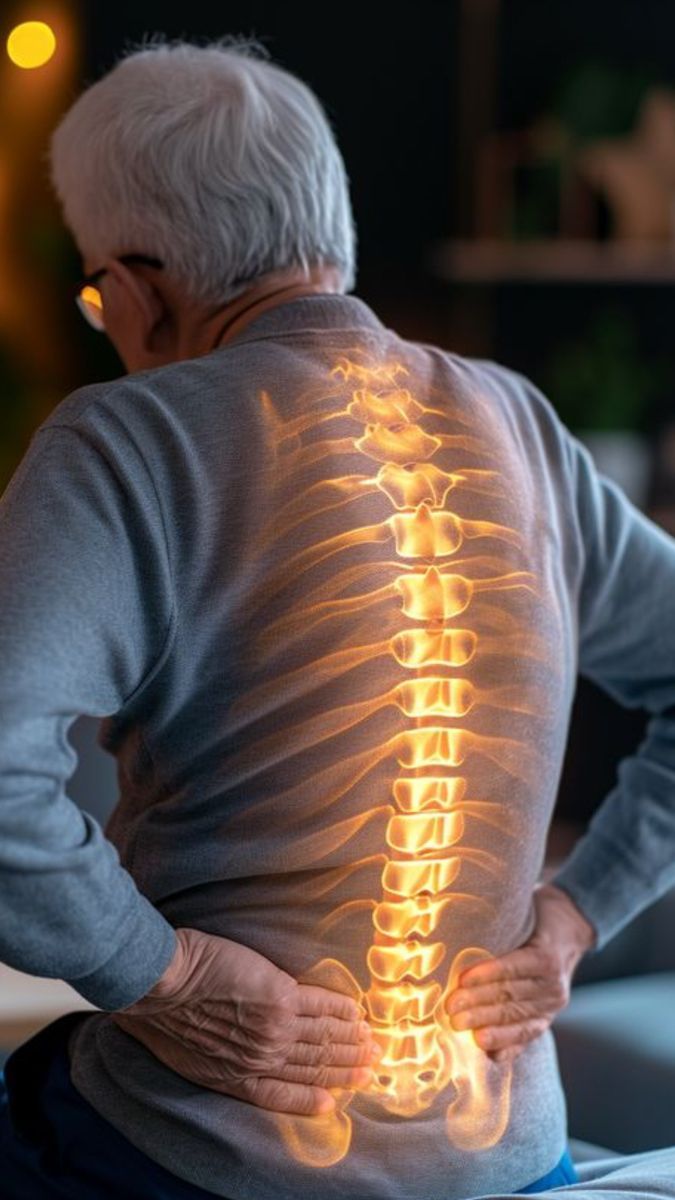
Patient Details
- Name: Deepesh
- Age: 32 years
- Sex: Male
- Treated By: Dr. T. Sanand Ratnam MD(Ayurveda)
Introduction
Low back pain associated with lumbar disc protrusion and radiculopathy is a common and debilitating condition that significantly affects daily activities, work performance, and quality of life. Many patients seek long-term relief through conservative and holistic approaches when conventional therapies provide only temporary benefits.
In recent years, there has been increasing recognition of Ayurveda as an effective system of medicine for managing chronic musculoskeletal and neurological disorders. Patients often seek the best Ayurvedic hospital for treating back pain and the most effective treatment for disc bulge and protrusion to obtain comprehensive, non-surgical, and personalized care. Ayurvedic interventions aim to address the root cause of disease through a combination of internal medications, Panchakarma therapies, lifestyle modification, and rehabilitative measures.
The present case study describes a 32-year-old male patient diagnosed with lumbar disc protrusion with radiculopathy and chronic low back pain, who had previously undergone treatment at other
healthcare institutions with limited symptomatic improvement. Seeking sustained relief and functional recovery, he opted for inpatient Ayurvedic management at our center. This report highlights the clinical outcomes achieved through a structured 21-day treatment protocol
Chief Complaints Before Treatment
- Severe low back pain radiating to right lower limb
- Tingling and numbness in right leg
- Difficulty in sitting, standing, and walking for long durations
- Sleep disturbance due to pain
Medical Findings Before Treatment
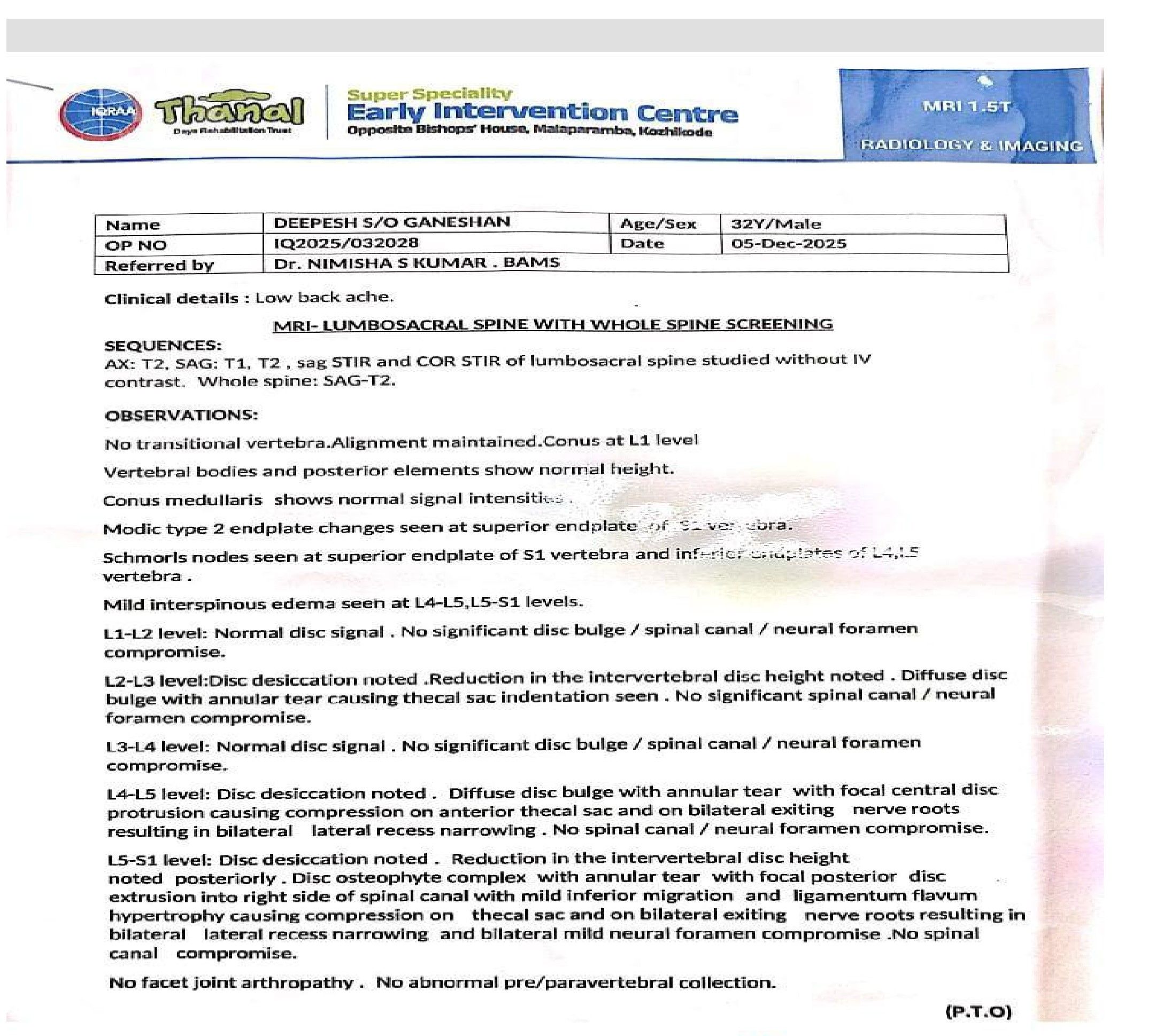
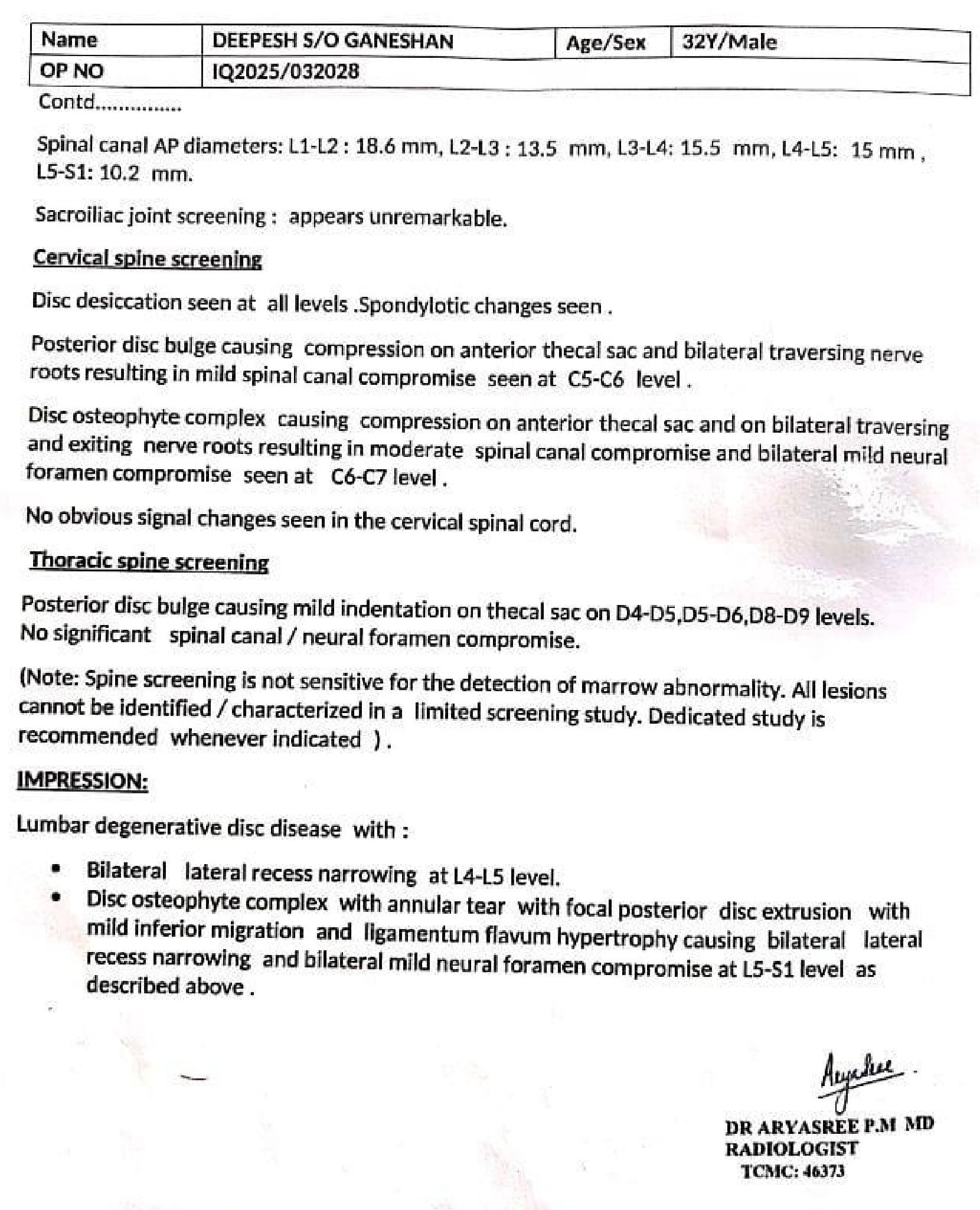
- MRI Lumbosacral Spine
- Loss of lumbar lordosis
- Disc desiccation at multiple levels
- Disc desiccation at multiple levels
- L5–S1 diffuse disc bulge with right paracentral protrusion
- Compression of right traversing nerve roots
- Severe right neural foraminal narrowing
- Thecal sac indentation
MRI – LUMBOSACRAL SPINE WITH WHOLE SPINE SCREENING -BEFORE TREATMENT
Modern Diagnosis: Lumbar Disc Prolapse with Right-Sided Radiculopathy
Ayurvedic Correlation: Gridhrasi (Sciatica), Katigraha – Vata predominant disorder
21-Day Ayurvedic Treatment Protocol
Phase 1 – Preparatory Phase (Days 1–3)
1. Abhyanga (Medicated Oil Massage).
- Pacifies aggravated Vata dosha
- Improves blood circulation to spinal muscles
- Reduces muscle stiffness and dryness
- Helps relieve nerve irritation
2. Swedana (Herbal Steam Therapy)
- Relieves muscle spasm and tightness
- Reduces heaviness and stiffness of lower back
- Enhances absorption of medicated oils
- Provides pain relief through improved circulation
Phase 2 – Main Treatment Phase (Days 4–17)
3. Kati Basti (Medicated Oil Retention Over Lower Back)
- Provides deep lubrication to lumbar vertebrae and discs
- Helps reduce inflammation around nerve roots
- Relieves localized pain and stiffness
- Supports healing of degenerative spinal tissues
4. Pizhichil (Warm Oil Bath Therapy)
- Nourishes muscles and nerve tissues
- Improves flexibility and joint mobility
- Reduces Vata-induced pain and dryness
- Promotes relaxation and better sleep
5. Podikizhi (Herbal Powder Bolus Fomentation)
- Reduces inflammation and swelling
- Improves muscle tone
- Helps relieve deep-seated pain
- Enhances local circulation around the spine
6. Njavarakizhi (Medicated Rice Bolus Therapy)
- Strengthens muscles and soft tissues
- Nourishes nerves (Majja dhatu support)
- Improves muscle endurance
- Prevents recurrence of back weakness
7. Matra Basti (Daily Medicated Oil Enema)
- Considered the best therapy for Vata disorders
- Lubricates joints and spinal structures internally
- Supports nerve regeneration and nourishment
- Relieves radiating pain and dryness in the body
8. Kashaya / Niruha Basti (Herbal Decoction Enema)
- Detoxifies accumulated morbid doshas
- Reduces inflammation and nerve irritation
- Improves bowel function, which supports Vata balance
- Helps reduce radiating sciatic pain
Phase 3 – Rejuvenation Phase (Days 18–21)
9. Mild Abhyanga & Swedana
- Maintains flexibility achieved during treatment
- Prevents recurrence of stiffness
- Supports gradual return to normal activity
10. Rasayana (Rejuvenative Internal Medicines)
- Nourishes Asthi (bone) and Majja (nerve tissue)
- Improves tissue strength and recovery
- Supports long-term spinal health
11. Physiotherapy & Back Strengthening Exercises
- Strengthens paraspinal muscles
- Improves posture and spinal alignment
- Reduces risk of future disc strain
- Enhances mobility and functional recovery
Medical Status After 21 Days
Clinical Improvements
- Significant reduction in low back pain
- Marked decrease in radiating pain to right leg
- Tingling and numbness greatly reduced
- Improved walking capacity and sitting tolerance
- Better spinal flexibility
- Improved sleep quality
Neurological Improvements
- Reduced nerve irritation signs
- Improved straight leg raising test
- No worsening neurological deficit
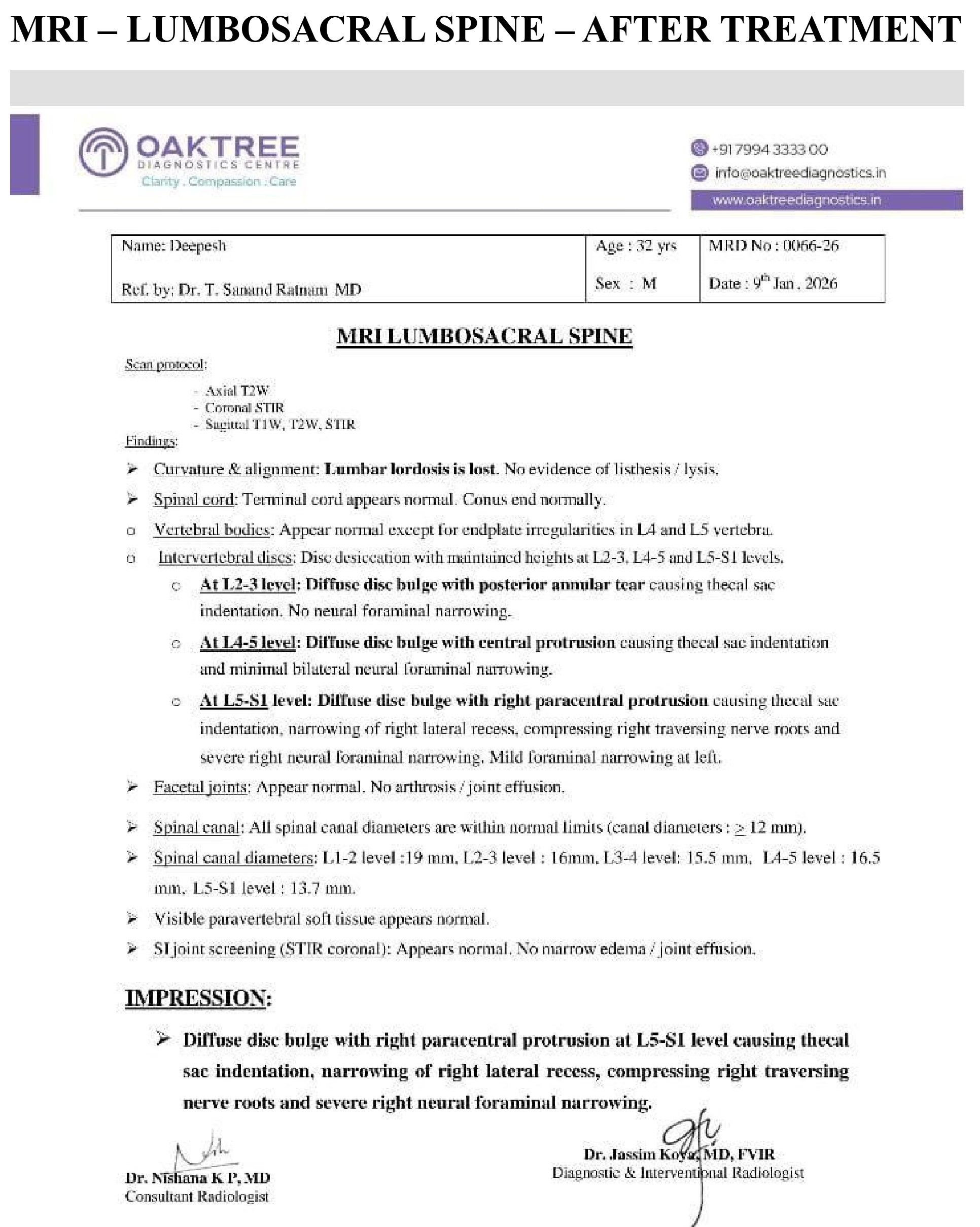
Post-Treatment Scan Status
A follow-up MRI was not immediately performed as the patient showed strong clinical recovery.Symptomatic improvement suggests reduced inflammation, muscle spasm relief, and better functional
spinal stability. Future imaging may be advised if required.
MRI – LUMBOSACRAL SPINE – AFTER TREATMENT
CONCLUSION
This case illustrates that a structured 21-day Ayurvedic Panchakarma-based treatment combining external therapies, Basti procedures, internal medicines, and rehabilitative exercises can significantly improve symptoms of lumbar disc protrusion with radiculopathy, enhancing mobility and quality of life.
Treating Physician
Dr. Sanand Ratnam
Chief Medical Officer (CMO)
Sree Subramania Ayurvedic Nursing Home
