

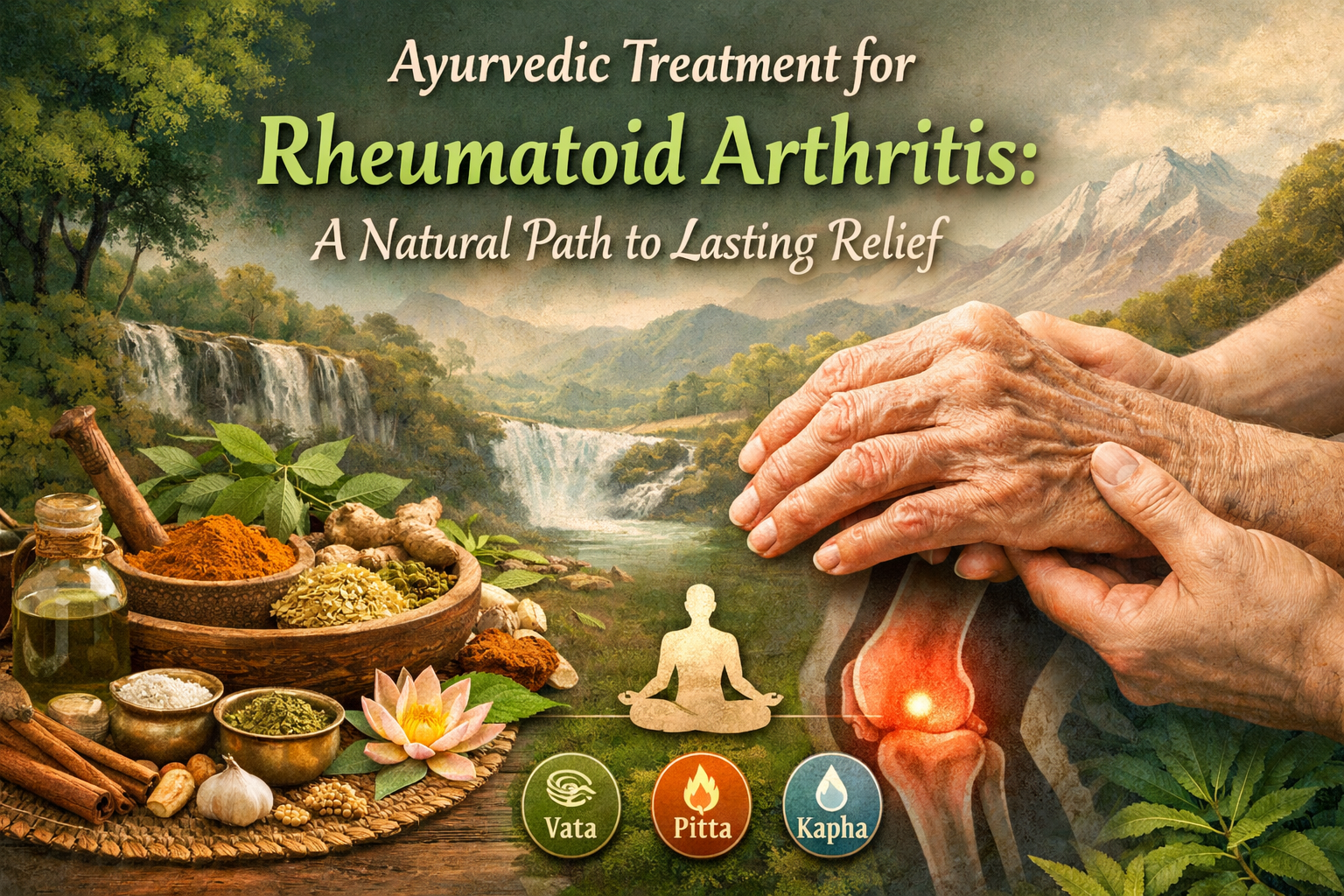
Rheumatoid Arthritis (RA) is a chronic autoimmune disorder that affects millions of people worldwide. It primarily targets the joints, causing persistent pain, swelling, stiffness, and reduced mobility. Over time, it can also impact overall quality of life, making even simple daily activities challenging. While conventional medicine offers treatments to manage symptoms, many people are now turning to Ayurveda for a more natural, holistic approach.
Ayurveda, the ancient system of medicine, focuses on treating the root cause of diseases rather than just alleviating symptoms. Through a combination of detoxification, herbal remedies, dietary changes, and lifestyle adjustments, Ayurvedic treatment offers a sustainable and effective path toward long-term relief from Rheumatoid Arthritis.
Understanding Rheumatoid Arthritis in Ayurveda
In Ayurveda, Rheumatoid Arthritis is known as Amavata. This condition arises from two primary factors: the accumulation of Ama (toxins) in the body and an imbalance in the Vata dosha. Ama is caused by poor digestion and metabolic inefficiency, leading to the buildup of undigested substances in the body.
When Ama combines with aggravated Vata, it travels through the bloodstream and deposits in the joints, causing inflammation, stiffness, and pain. This explains why Ayurvedic treatment focuses heavily on improving digestion, eliminating toxins, and restoring balance within the body.
Unlike modern treatments that primarily suppress inflammation, Ayurveda aims to:
- Detoxify the body
- Strengthen the digestive system (Agni)
- Restore dosha balance
- Enhance immunity
- Promote joint lubrication and flexibility.
Root Causes and Risk Factors
Ayurveda identifies several underlying factors that contribute to Rheumatoid Arthritis, including:
- Poor digestion leading to toxin buildup
- Sedentary lifestyle and lack of exercise
- Consumption of incompatible or processed foods
- Stress and emotional imbalance
- Irregular daily routines
- Weak immune function
Understanding these root causes allows Ayurvedic practitioners to design personalized treatment plans tailored to each individual’s body type and condition.
Key Ayurvedic Treatments for Rheumatoid Arthritis
1. Panchakarma Therapy (Detoxification and Rejuvenation)
Panchakarma is one of the most powerful and effective therapies in Ayurveda. It is a series of cleansing procedures designed to remove toxins from the body and restore internal balance.
Some commonly used Panchakarma therapies for RA include:
- Virechana (Therapeutic Purgation): Helps eliminate toxins from the digestive tract and liver
- Basti (Medicated Enema): Considered highly effective for Vata disorders, it nourishes and detoxifies the colon
- Abhyanga (Oil Massage): Improves blood circulation, reduces stiffness, and relieves joint pain
- Swedana (Herbal Steam Therapy): Helps open channels and remove toxins through sweating
These therapies not only reduce inflammation but also rejuvenate tissues and improve overall vitality.
2. Herbal Remedies for Joint Health
Ayurvedic herbs play a crucial role in managing Rheumatoid Arthritis naturally. These herbs have anti-inflammatory, analgesic, and immune-boosting properties.
Some commonly used herbs include:
- Ashwagandha: Known for its anti-inflammatory and adaptogenic properties, it helps reduce pain and strengthen muscles
- Shallaki (Boswellia): Supports joint function and reduces swelling
- Guggulu: A powerful detoxifying agent that improves metabolism and supports joint health
- Turmeric (Curcumin): A natural anti-inflammatory that helps reduce joint pain and stiffness
- Ginger: Improves digestion and reduces inflammation.
These herbs are often prescribed in the form of powders, tablets, or medicated oils, depending on the individual’s condition.
3. Ayurvedic Diet for Rheumatoid Arthritis
Diet plays a vital role in Ayurvedic healing. Since Ama (toxins) is a key factor in RA, improving digestion is essential.
Recommended Foods:
- Warm, freshly cooked meals
- Light and easily digestible foods like soups and khichdi
- Spices such as turmeric, ginger, cumin, and coriander
- Herbal teas to support digestion
- Cooked vegetables instead of raw ones
Foods to Avoid:
- Processed and packaged foods
- Cold, refrigerated, or stale foods
- Excess dairy and red meat
- Fried and oily foods
- Sugary and carbonated drinks
Following a proper diet helps reduce inflammation, improve digestion, and prevent further accumulation of toxins.
4. Lifestyle Modifications
Lifestyle changes are essential for effectively managing Rheumatoid Arthritis. Ayurveda emphasizes maintaining a balanced daily routine (Dinacharya) to support overall health.
Key recommendations include:
- Waking up early and maintaining a consistent sleep schedule
- Avoiding excessive physical strain
- Keeping the body warm to prevent stiffness
- Managing stress through relaxation techniques
Consistency in lifestyle habits plays a major role in long-term recovery.
5. Yoga and Physical Activity
Gentle movement is important for maintaining joint flexibility and preventing stiffness. Ayurveda often recommends yoga and low-impact exercises tailored to the individual’s condition.
Beneficial practices include:
- Gentle stretching exercises
- Yoga poses that improve joint mobility.
- Breathing techniques (Pranayama)
- Meditation to reduce stress
Regular practice not only improves physical health but also enhances mental well-being.
Benefits of Ayurvedic Treatment for Rheumatoid Arthritis
Ayurvedic treatment offers several long-term benefits, making it an appealing option for many patients:
- Holistic Healing: Addresses the root cause rather than just symptoms
- Natural Approach: Uses herbal and non-invasive therapies
- Reduced Inflammation: Helps manage pain without heavy reliance on medication
- Improved Joint Function: Enhances flexibility and mobility
- Stronger Immunity: Supports overall health and disease resistance
- Fewer Side Effects: Compared to long-term use of conventional drugs
How Long Does Ayurvedic Treatment Take?
Ayurvedic treatment is not a quick fix—it is a gradual healing process. The duration depends on factors such as:
- Severity of the condition
- Duration of illness
- Individual body constitution (Prakriti)
- Adherence to diet and lifestyle changes
Many patients begin to notice improvements within a few weeks, but long-term benefits require consistent treatment and commitment.
When Should You Consider Ayurveda?
You may consider Ayurvedic treatment if:
- You experience chronic joint pain and stiffness.
- Conventional treatments provide only temporary relief.
- You want a natural and holistic approach.
- You wish to reduce dependency on medications.
However, it is always recommended to consult a qualified Ayurvedic practitioner for a personalized treatment plan.
Precautions and Considerations
While Ayurveda is generally safe, it is important to:
- Avoid self-medication
- Follow treatments under professional guidance.
- Inform your doctor about any ongoing medications.
- Maintain consistency in diet and therapy.
Combining Ayurveda with proper medical supervision ensures safe and effective results.
Final Thoughts
Rheumatoid Arthritis can be a life-altering condition, but it doesn’t have to control your life. Ayurvedic treatment offers a natural, holistic path to healing by addressing the root causes of disease. Through detoxification, herbal remedies, proper nutrition, and a balanced lifestyle, Ayurveda helps restore harmony to the body and mind.
With patience, consistency, and the right guidance, it is possible to manage symptoms effectively and achieve lasting relief. Choosing Ayurveda is not just about treating a condition—it’s about embracing a healthier, more balanced way of living.
