

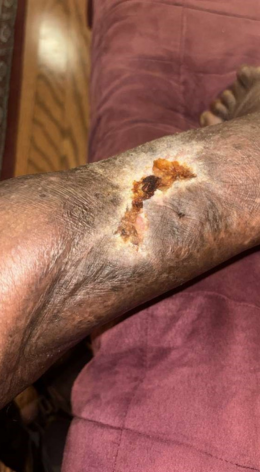
Diabetes — known as Prameha in classical Ayurvedic texts — was described in detail over 2,000 years ago, including its link to excess Kapha, impaired metabolism, and lifestyle factors. Today, Ayurvedic diabetes management works alongside conventional monitoring to support the body’s natural regulation of blood sugar, rather than replacing essential medical supervision. This distinction is important, since diabetes management done responsibly is always a coordinated effort, not a substitute for standard medical care.
The Ayurvedic view of diabetes
Type 2 diabetes is largely seen as a Kapha-Meda (fat tissue) disorder resulting from impaired Agni, where the body’s tissues struggle to properly utilize glucose. Chronic stress, poor diet, and sedentary habits are considered key aggravating factors, and many patients find that these same factors are echoed in their conventional medical history as well — a pattern that reinforces just how connected diet, metabolism, and blood sugar really are.
A comprehensive Ayurvedic approach includes
Panchakarma detoxification — clears metabolic toxins (Ama) that interfere with insulin sensitivity, forming the foundation before other therapies begin.
- Herbal formulations — traditional botanicals known to support healthy glucose metabolism, selected according to the patient’s constitution and current blood sugar pattern
- Personalized diet planning built around the patient’s constitution and current blood sugar patterns, rather than a single generic diabetic diet handed to every patient
Udwarthanam — herbal powder massage that supports fat metabolism, particularly helpful for Type 2 diabetes linked to excess weight, where the two conditions often need to be addressed together.
- Structured activity and yoga routines that improve insulin sensitivity over time, introduced gradually and adjusted according to the patient’s fitness level and any joint or cardiovascular considerations
The weight-diabetes connection
Because Type 2 diabetes and obesity share so much of the same underlying metabolic picture, many patients benefit from a combined approach. If weight is also a concern, it’s worth reviewing our Obesity Management program alongside diabetes care, since addressing Meda Dhatu and Agni together tends to produce better results than treating either issue on its own.
An important note on safety
Ayurvedic diabetes care at SSANH is always conducted with regular blood sugar monitoring, and treatment plans are coordinated so that any medication adjustments happen under proper medical supervision. This is a point we emphasize with every patient: Ayurvedic therapy is not meant to replace insulin or oral medications without a doctor’s guidance, and any changes to an existing medication regimen should only happen under close monitoring. Full information is on our Diabetes Treatment page.
Long-term management
Diabetes management is a long-term partnership — patients continue home-care protocols, dietary discipline, and periodic follow-up after their in-patient stay to maintain stable blood sugar levels. Many patients find that the structured reset provided by an in-patient program gives them a clearer, more sustainable framework to work from than trying to overhaul diet and lifestyle habits on their own, particularly when it comes to understanding which foods and routines specifically aggravate their own constitution.
Lifestyle factors that support treatment
Alongside the formal therapies, physicians typically guide patients on daily routine (Dinacharya), meal timing, and sleep patterns, since irregular routines are considered a significant aggravating factor for Prameha. Simple changes such as eating the largest meal earlier in the day, avoiding late-night eating, and maintaining consistent sleep timing are often part of the guidance patients receive, alongside the more visible therapies like Panchakarma and herbal formulations.
What coordinated care actually looks like
Ayurvedic care at SSANH is designed to work alongside prescribed medication, not replace it — any adjustment to medication dosage happens only in coordination with the patient’s treating physician and based on monitored blood sugar readings taken throughout the stay.
